0
0

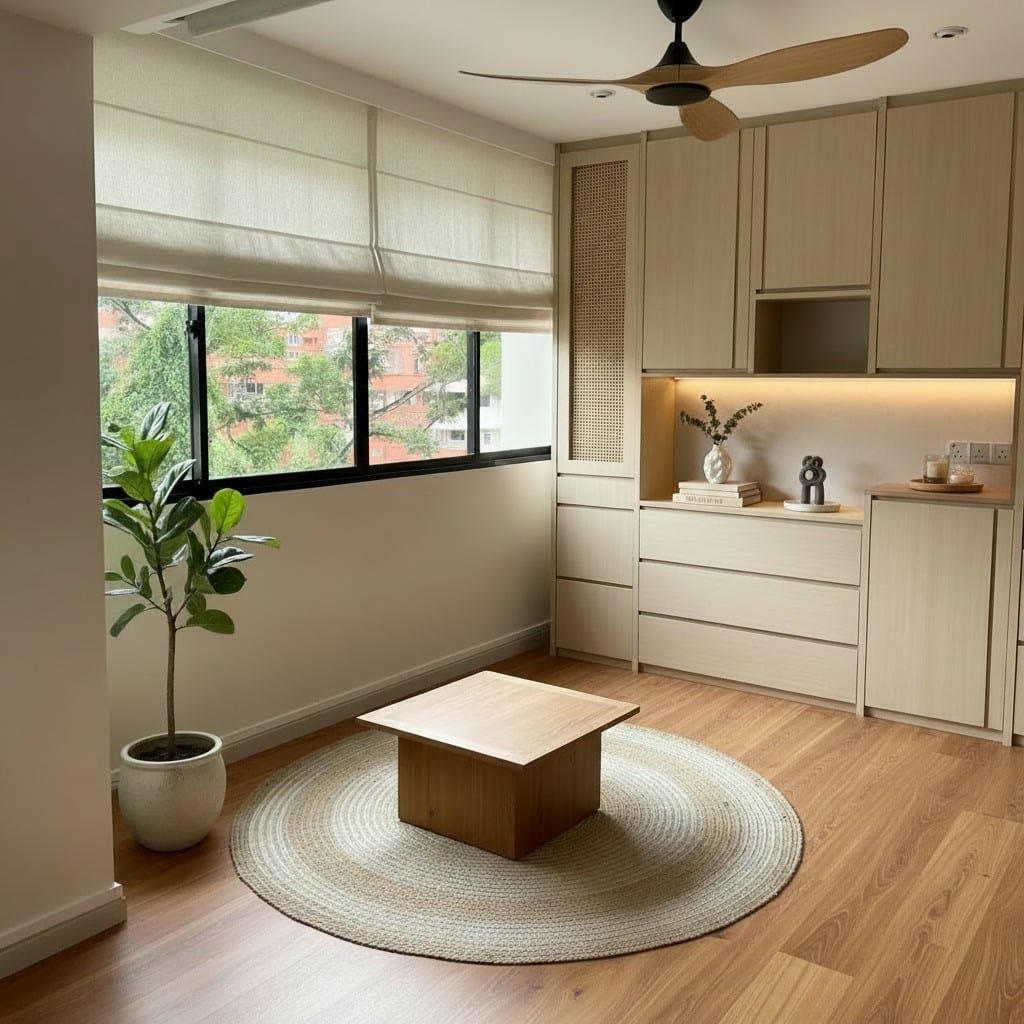
Roman blinds are a classic window shade crafted from soft fabrics. Originating in ancient Rome, Italy, they have remained a timeless window covering through to modern interior design.
What makes Roman blinds unique is their folding mechanism. Fabric attaches to a top track while small rings and horizontal pockets are sewn across the back to house metal rods. When lifted, the strings draw the rods upward to create a decorative, soft-folded layer. When fully lowered, they lie completely flat creating a clean, warm aesthetic that pairs effortlessly with Japandi and modern minimalist interior styles.
While traditional Roman blinds look luxurious, their manufacturing process and daily upkeep present several drawbacks:
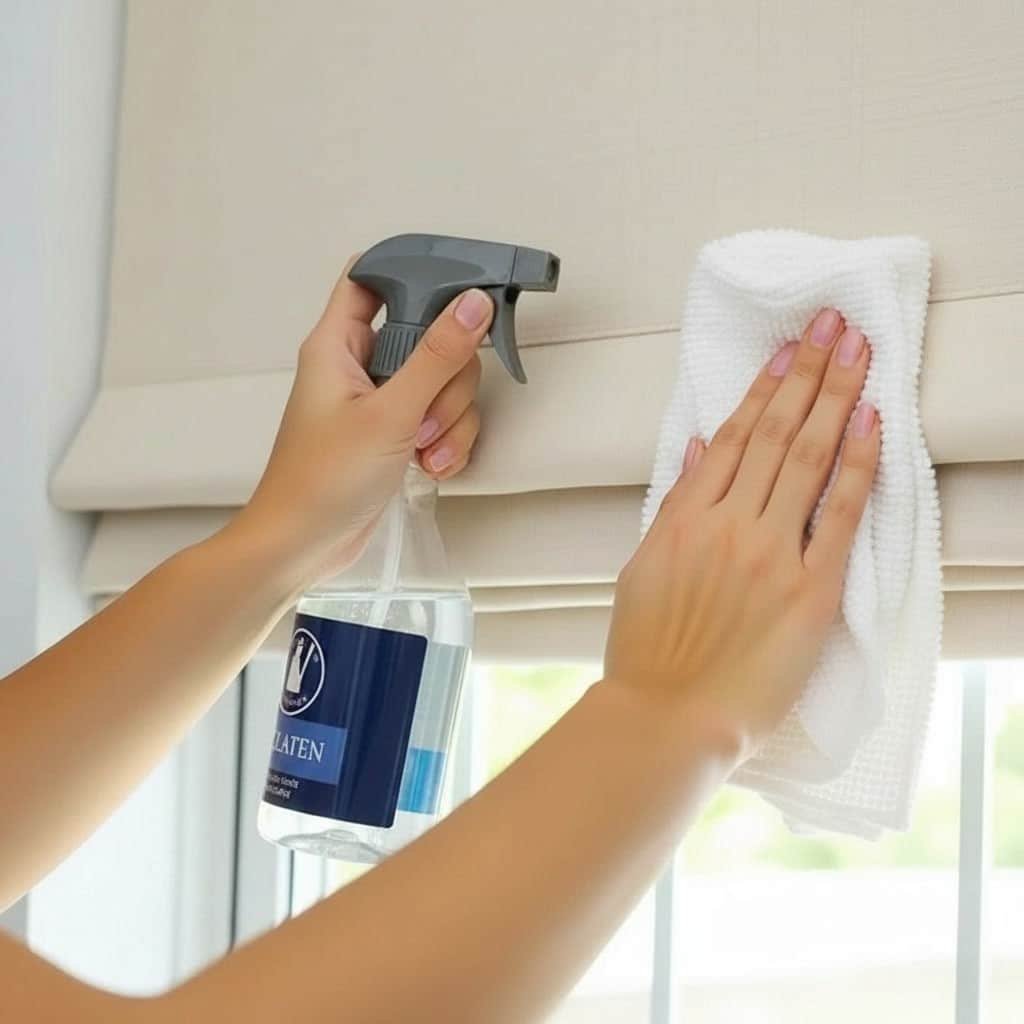
Le-Roman is an innovative, modernized take on Roman blinds designed to eliminate traditional maintenance headaches:
|
Feature |
Traditional Roman Blinds |
Le-Roman Blinds |
|
Fabric Type |
Standard curtain fabric (sewn) |
Pre-manufactured, pre-coated easy-clean fabric |
|
Track Attachment |
Velcro strip (loses grip over time) |
Direct headrail attachment (Velcro-free) |
|
Maintenance |
Requires rod removal & string untying |
Low-maintenance, easy wipe-down |
|
Price Point |
Higher (heavy manual labor) |
Budget-friendly & cost-effective |
While Le-Roman focuses on curated, high-performance fabrics, we carry a full spectrum of light-filtering options for Singapore homes:
Our Roman blinds are custom-measured and tailored to fit all property types across Singapore, including HDB flats, condominiums, and landed properties.
Prices start from $8.50 / sq. ft. (excluding installation).
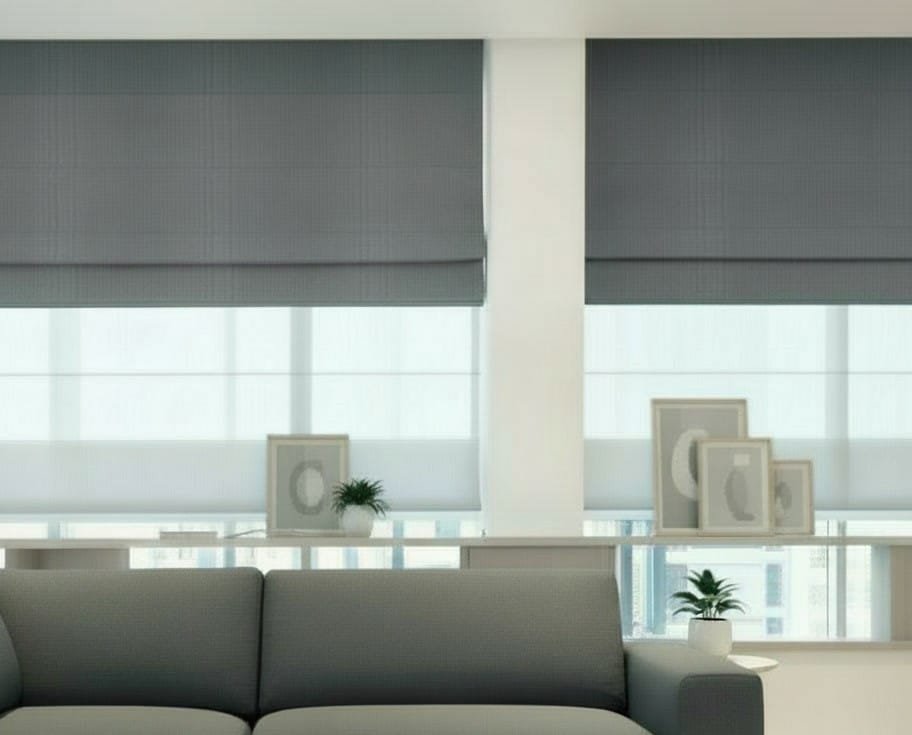
Yes, especially with Dim Out or Blackout linings, which help block direct sunlight and reduce indoor heat — useful for west-facing units that get strong afternoon sun.
With a proper blackout lining, Roman blinds can achieve close to full room darkness, though small light gaps may appear along the edges of the track depending on your window frame and installation.
Roman blinds fold up neatly into the window frame when raised, taking up far less space than curtains, which stack to the sides. They give a cleaner look while still keeping the soft, fabric texture of curtains.