0
0

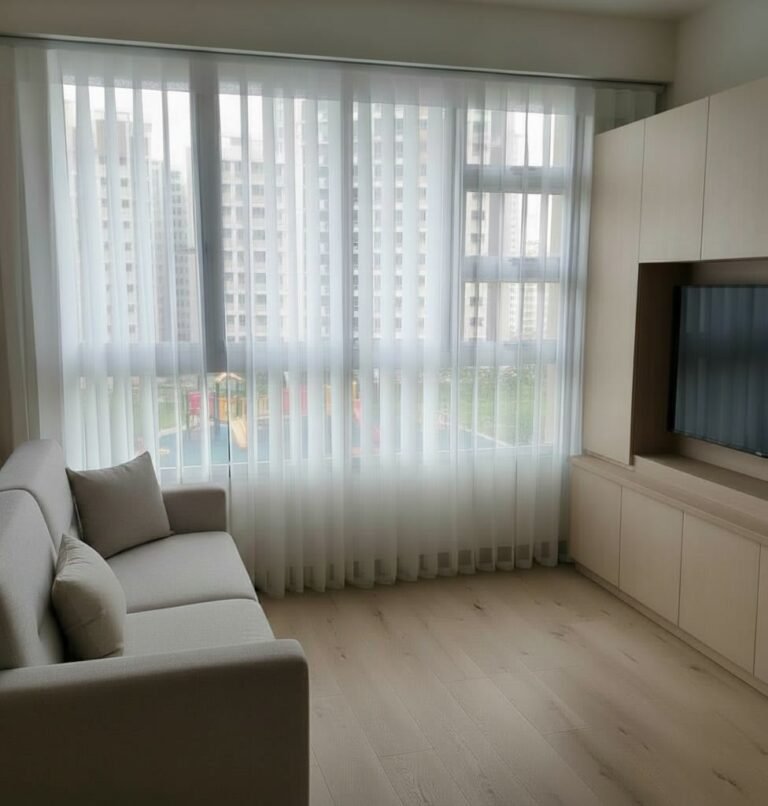
Facing the challenge of finding window treatments for extra-large windows or sliding glass doors? Vertical blinds remain a solution. Often chosen out of necessity for wide openings where other blinds might not work, these blinds consist of vertical slats, hanging from a headrail track system.
Their operation is simple. The entire set of blinds can glide along the track, stacking neatly to one side (or splitting in the middle) by pulling on a cord. The individual slats also rotate, typically 180 degrees, allowing you control over incoming light and privacy levels. This dual action offers more flexibility, letting you filter sunlight without sacrificing privacy.
Material choice affects both look and function. Durable, moisture-resistant, vinyl (PVC) is a common, easy to clean option, especially suited for high-traffic areas. Fabric slats offer a softer touch, available in various textures and patterns.
While undeniably practical for large openings and offering excellent light and privacy control, vertical blinds can sometimes swing in a breeze especially with ceiling fan or air condition unit nearby.

They are a popular choice for both homeowners and businesses. There are several good reasons to consider them as window treatment.
These blinds can be adjusted to let in just the right amount of light into a room. This makes them ideal for spaces where controlling the light level is necessary, such as a home office or bedroom.
PVC slats are easy to keep clean. Unlike curtains that can collect dust, they can be quickly wiped down with a damp cloth. This makes them a practical choice for homes with pets or children.
They are available in many colors, so you’re likely to find a color that suits your home. From classic white to simple patterns, there’s a vertical blind option to suit most people.
Vertical blinds offer excellent value. They are often more affordable than many other types of blinds.

The effectiveness of blackout vertical blinds lies in their specialized material construction. These blinds feature multi-layer fabrics or PVC materials that block up to 99% of incoming light. The blackout material typically consists of a decorative front layer, a light-blocking backing that provides slight insulation benefits.
Unlike regular blind materials, blackout fabrics are engineered to eliminate light gaps and provide consistent coverage. This specialized construction makes blackout vertical blinds particularly effective for shift workers, home theaters, and any space requiring complete light control while maintaining the vertical blinds sleek aesthetic.
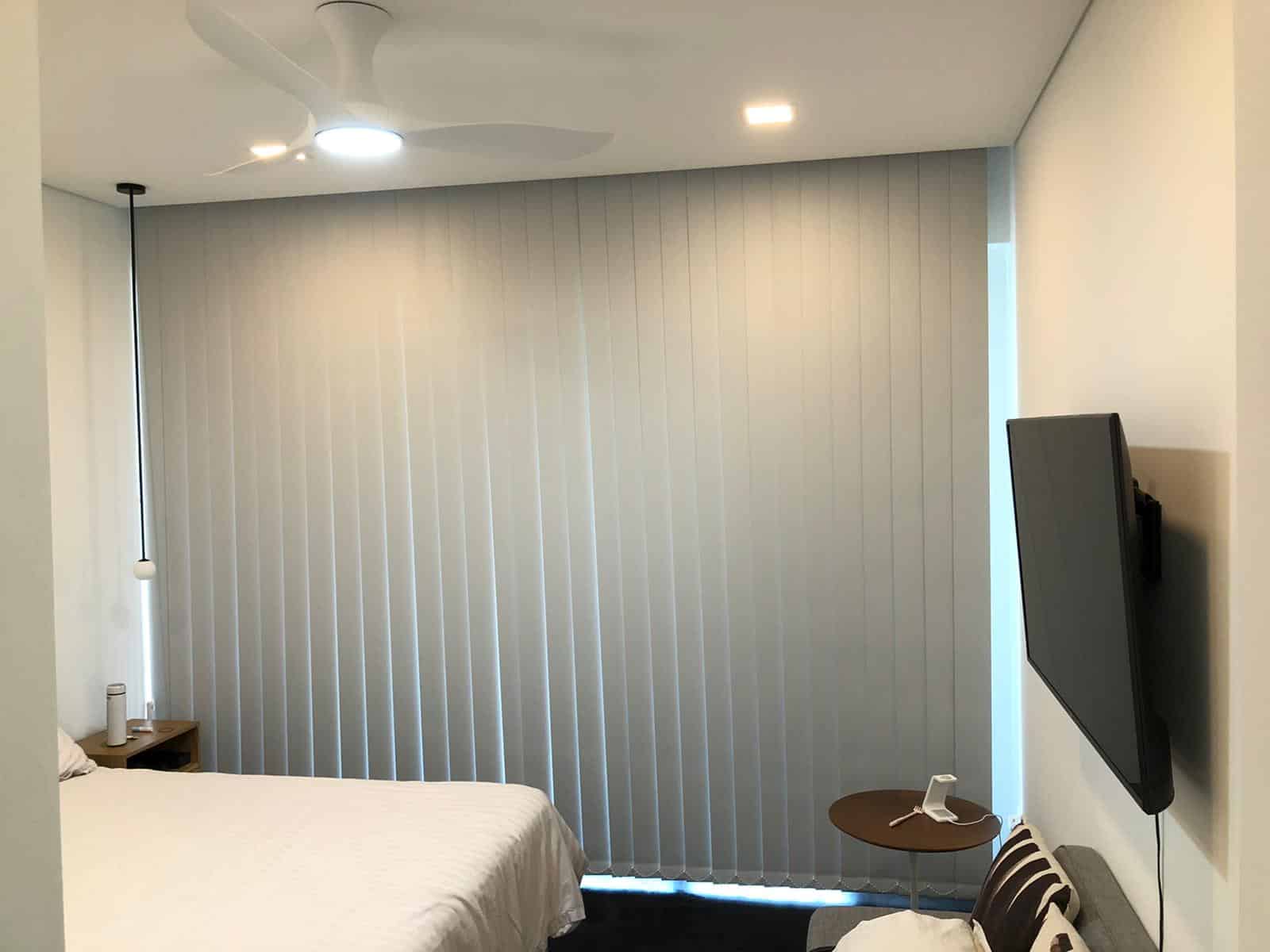
Dim out vertical blinds feature specially engineered materials that offer a middle ground between complete darkness and full transparency. Unlike blackout materials that block nearly all light, dim out fabrics are designed with a semi-opaque weave that filters and softens incoming natural light while maintaining privacy.
The dim out material typically consists of densely woven polyester or cotton blends with a moderate opacity rating of 70-85%. This allows the fabric to reduce glare and harsh sunlight while still permitting a gentle, diffused glow to enter the room.
The material strikes an ideal balance for living spaces, offices, and dining areas where complete darkness isn’t desired but light control and privacy remain important. This makes dim out vertical blinds perfect for daytime use when you want natural illumination without compromising comfort or privacy.
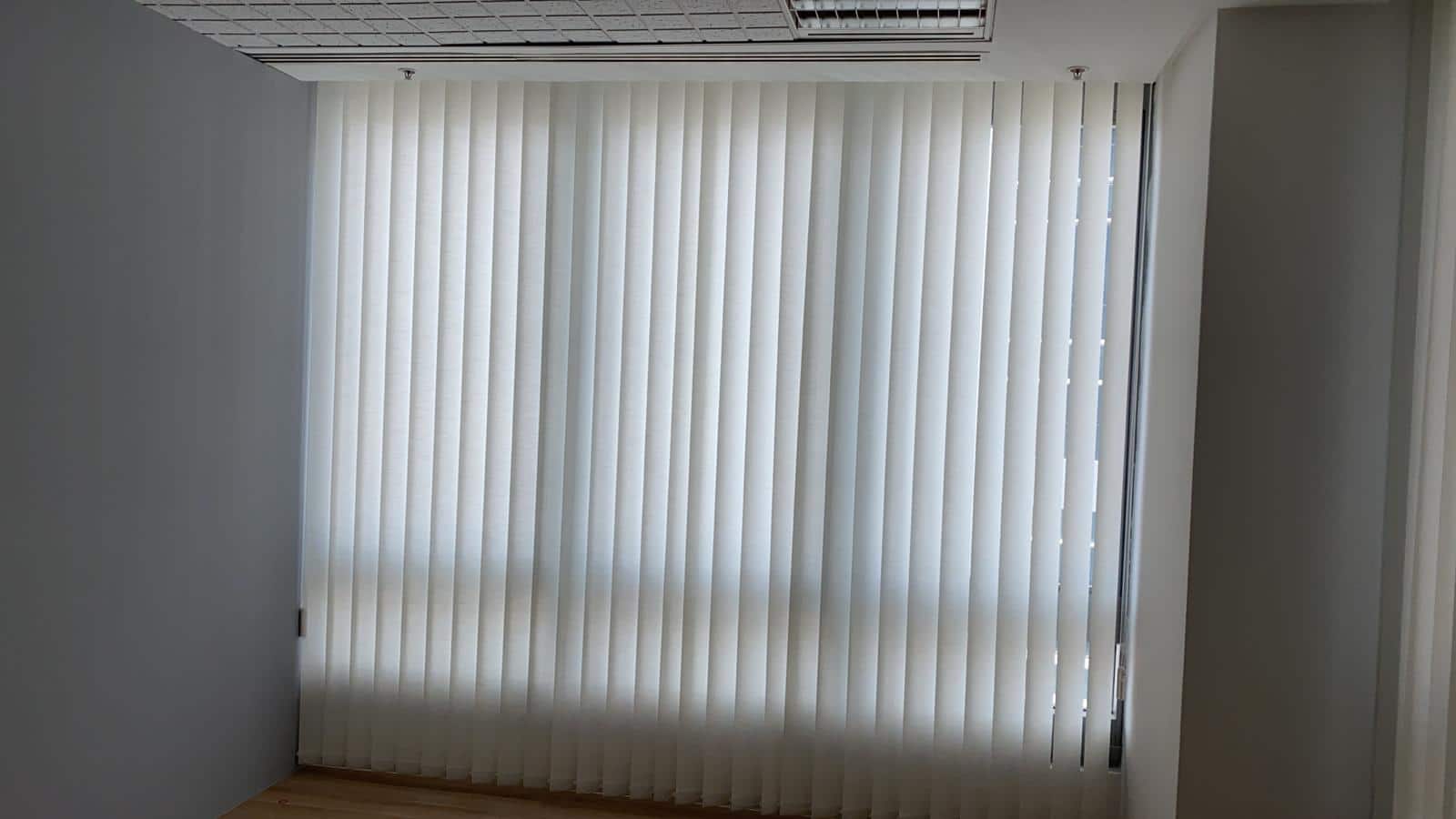
With proper care, your vertical blinds can last a long time. Here are some of the most common problems Singapore homeowners run into and how to prevent them — so you don’t end up spending unnecessarily on repairs or replacements.
Misaligned Slats
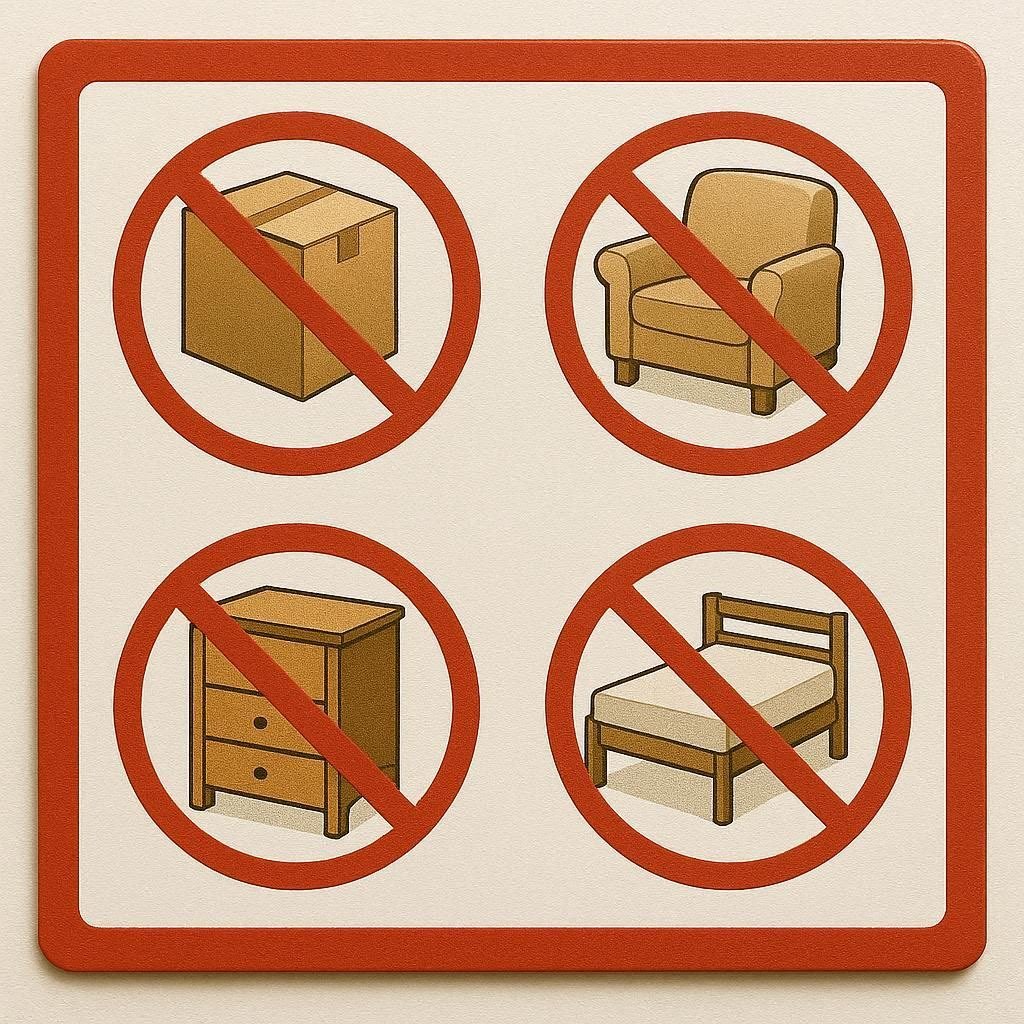
This usually happens when furniture or other objects are placed too close to the slats, blocking some of them from tilting properly. When you try to tilt the blinds, the unobstructed slats move freely while the blocked ones can’t keep up, and over time this throws the alignment off. The standard width of a vertical blind slat is 5.5 inches, so try to keep at least that amount of clear space in front of the blinds so all the slats can move without any obstruction. This is something we see fairly often in Singapore HDB flats and condos where furniture tends to be arranged close to the windows due to space constraints.
The hangers on vertical blinds are made of plastic by design — not as a cost-cutting measure, but because plastic is lightweight enough not to put unnecessary strain on the clips along the track. Metal hangers would add extra weight and also carry the risk of rusting, which is a real concern given Singapore’s humid weather year-round.
One of the main reasons plastic hangers break on vertical blinds in Singapore is strong airflow from ceiling fans causing the slats to swing around. In most HDB flats and condos, ceiling fans tend to be installed fairly close to the windows due to our layout. Reducing the fan speed or sliding the slats to one side when the fan is running on high can go a long way in keeping your vertical blinds in good condition for longer.
Linking Chain and Bottom Weight Loop Breaking
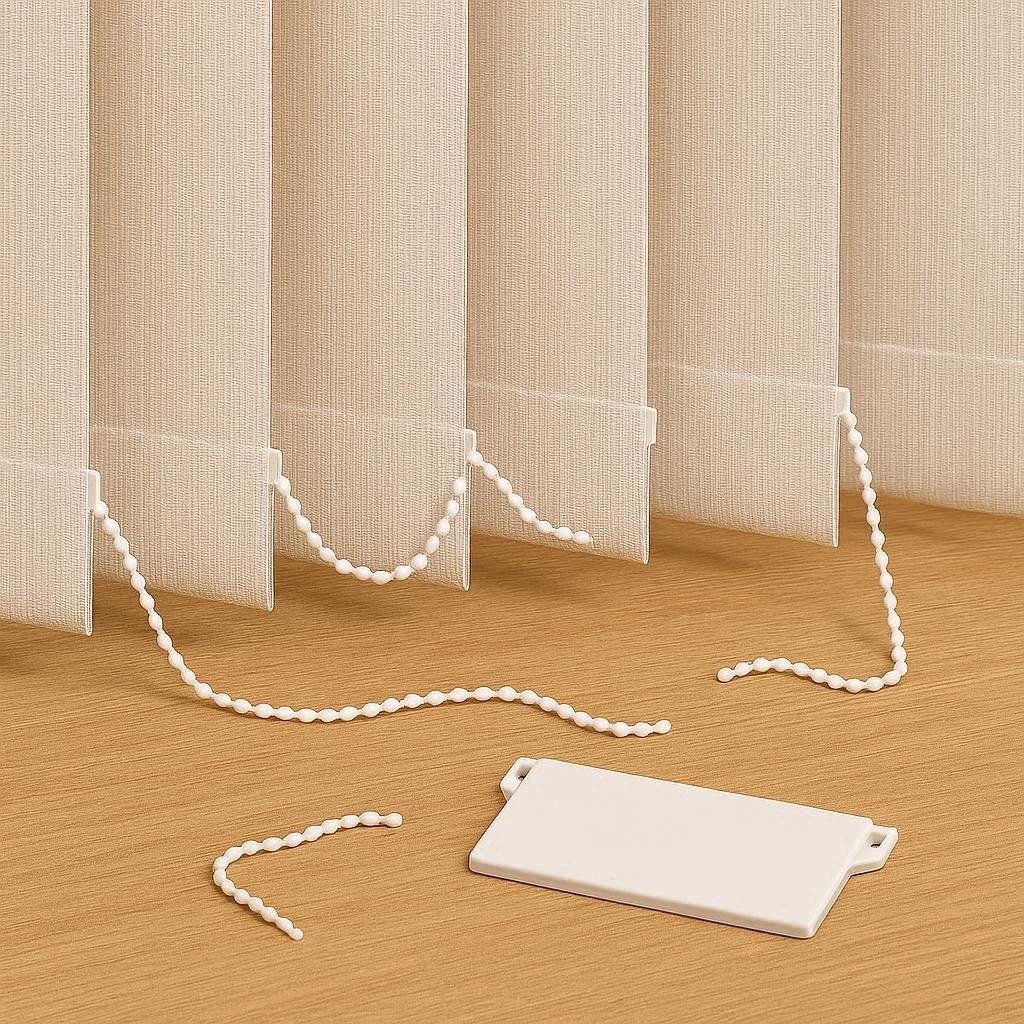
The most common cause here is physical contact — someone stepping on the chain, furniture brushing against it, or it getting snagged on something nearby. Try to keep the area around the blinds clear, and if stepping on the chain is a recurring problem, you can request for your vertical blinds to be cut 1 inch shorter during installation to keep the chain off the floor.
On a practical note — if the chain or bottom weight loop does break, you can actually remove them and the vertical blinds will still function normally. The only difference is that the slats will swing a little more freely since they’re no longer held together at the bottom, so just operate them a bit more slowly. It doesn’t affect how the blinds work at all.
For vertical blinds enquiries in Singapore, feel free to reach out to us at Singapore Blinds and we’ll be happy to help.
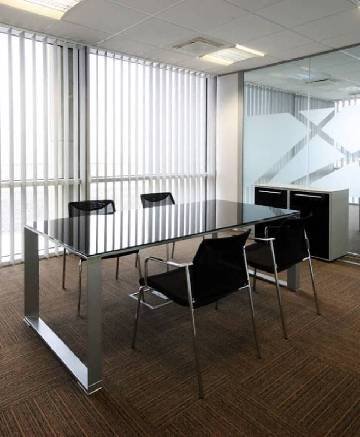
There is a common misconception that vertical blinds are only meant for offices. In fact, many homes in Singapore use vertical blinds for their living room windows and even in their bedrooms.
The short answer is yes. Vertical blinds do provide good privacy. They give you the flexibility to adjust the angle of the slats to control both privacy and the amount of light entering the room. When fully closed, the slats overlap each other, completely blocking the view from outside.
When using blackout material, the fabric itself fully blocks light from passing through. However, vertical blinds do not provide total blackout, as a minimal amount of light may still pass through the gaps between the slats — even when overlapping, the slats do not seal completely against each other.
One of the common problems with vertical blinds is that if a strong ceiling fan is placed near the blinds, it can cause the slats to swing and hit each other, creating noise. It is also common for people to accidentally step on the linking chain at the bottom of the slats, causing it to break. In areas with strong sunlight, prolonged exposure can cause the plastic clips that hold the slats — as well as the bottom weights for the linking chains — to become brittle and break over time.